


Welcome to Apex Veterinary Specialists in Denver, CO
Apex Veterinary Specialists is a progressive dentistry, oral surgery, dermatology, and ophthalmology center that provides compassionate care for veterinary patients. Our board-certified veterinary specialists & highly-trained staff are dedicated to working closely with both the pet parent and family veterinarian.
Dentistry
Services
Dermatology / Allergy
Services
Ophthalmology
Services
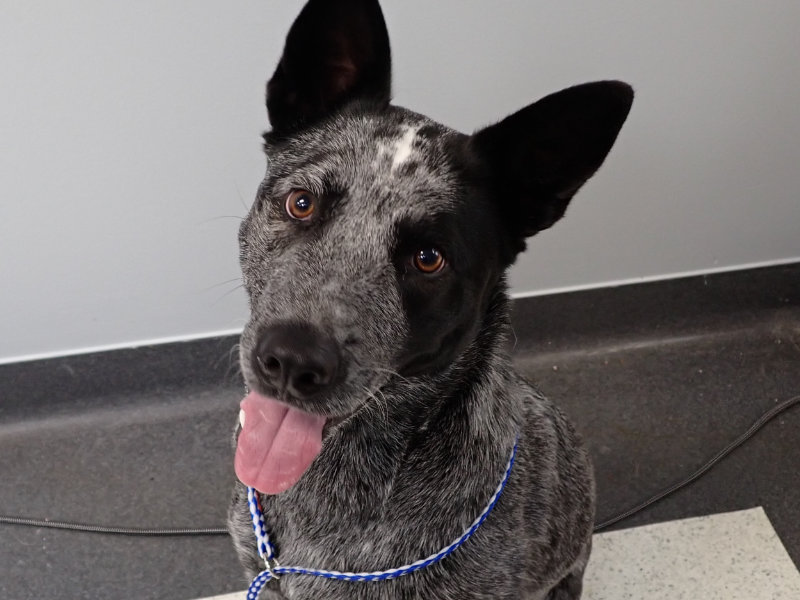
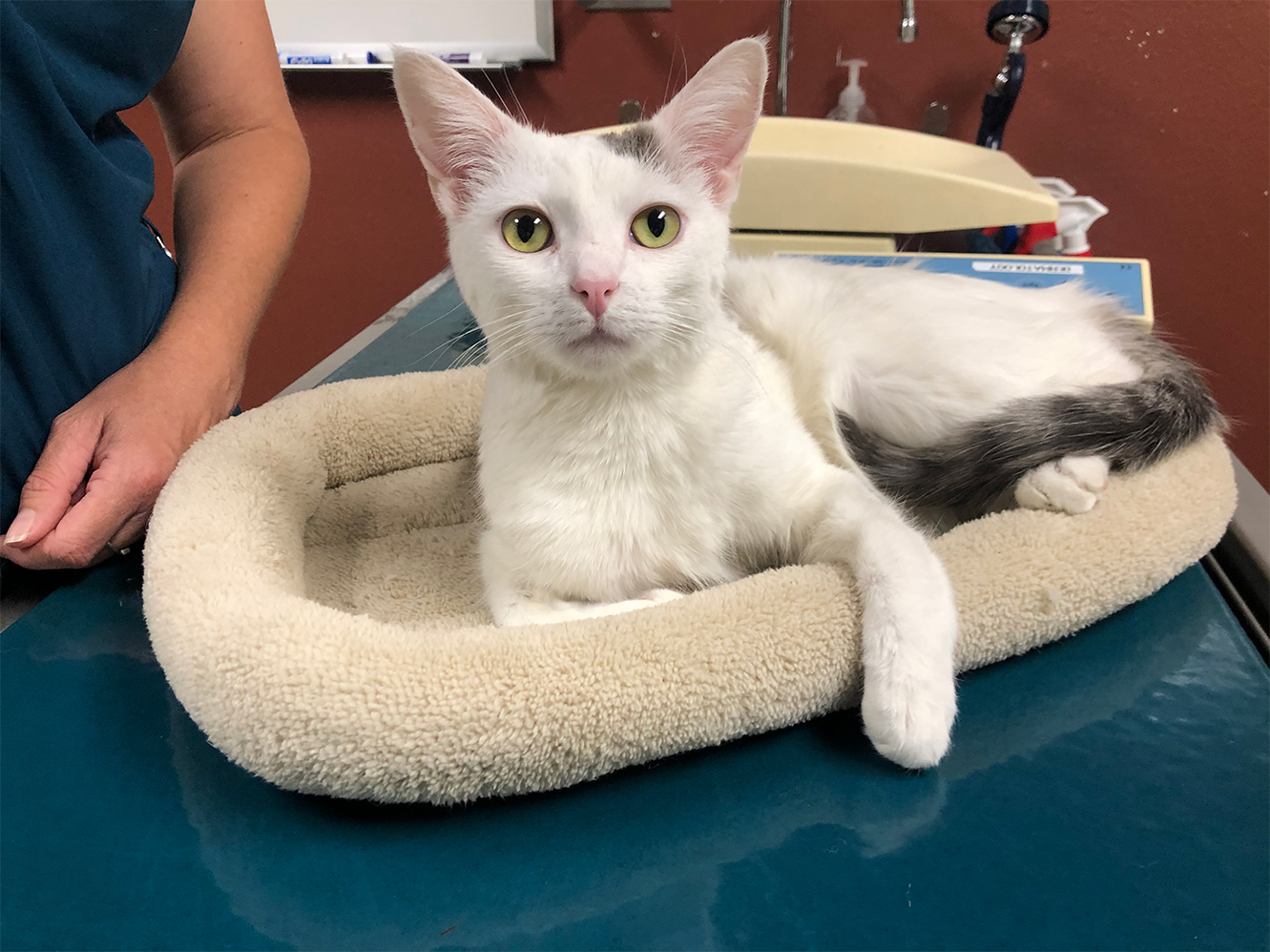
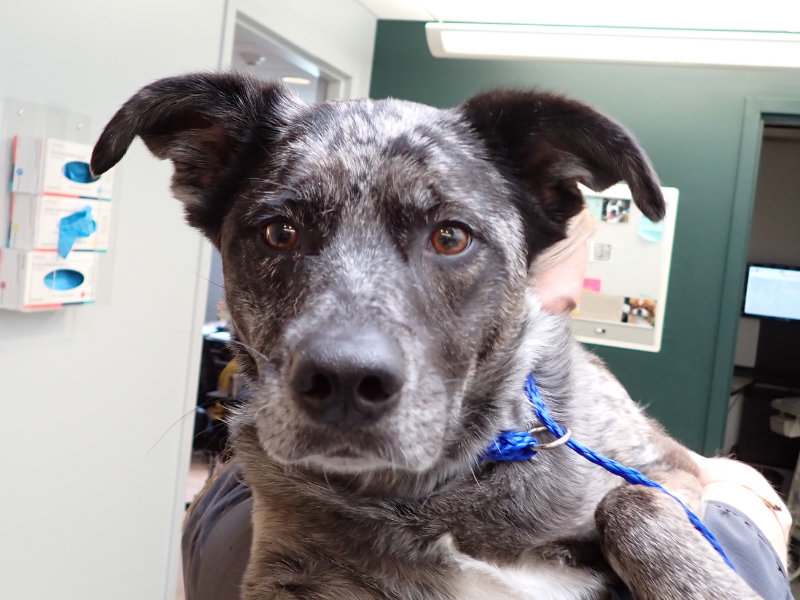
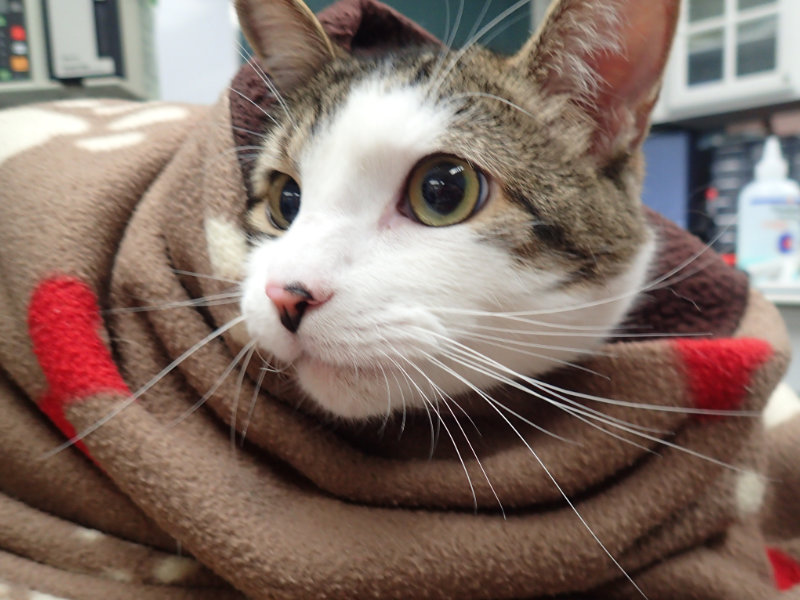
We love our patients and their owners
A pet can bring a lifetime of joy, love, and treasured moments.
MEET OUR TEAM
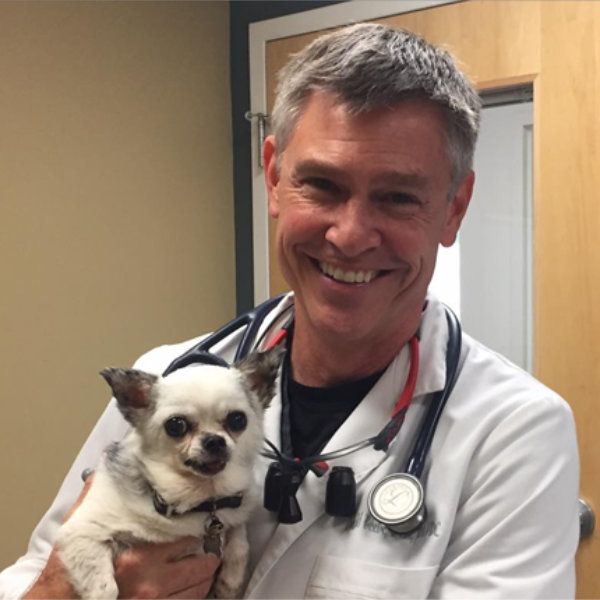
Experienced Veterinary Dentistry Professionals

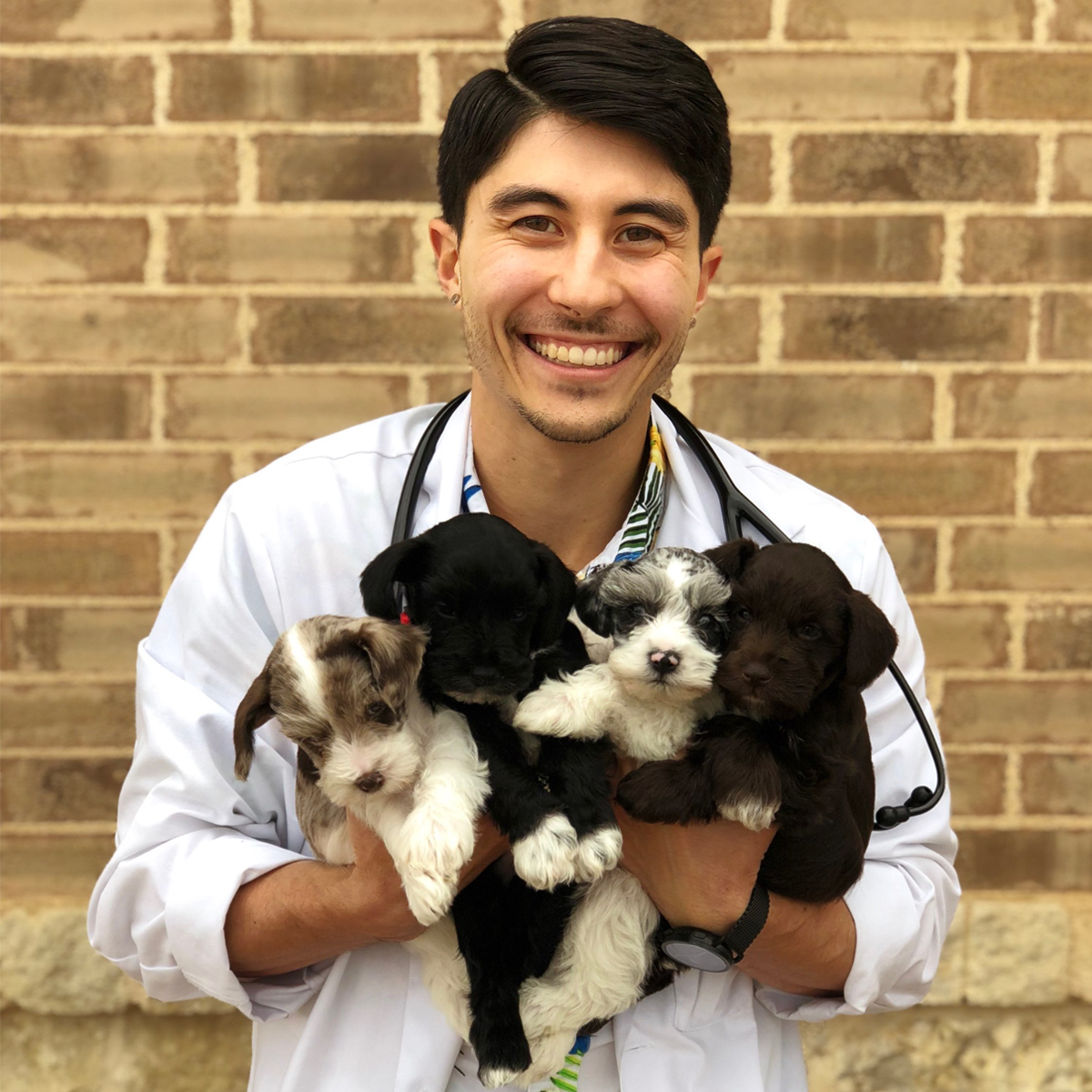
Experienced Board-Certified Veterinary Dermatologist and AllergistTM
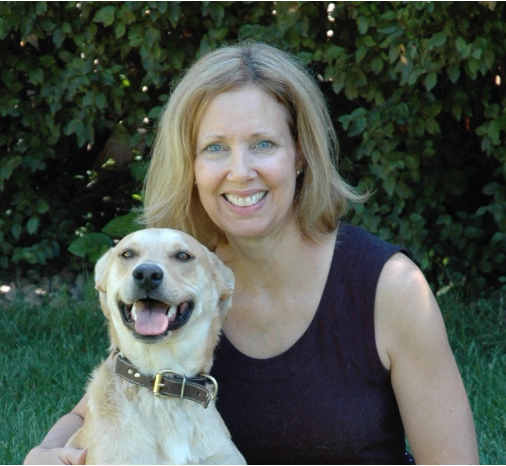
Experienced Veterinary Ophthalmology Professional


Contact
For Ophthalmology
Spry Companions
7100 S Clinton St
Centennial, CO 80112
For Dentistry & Dermatology
Apex Veterinary Specialists
9600 E Peakview Ave
Greenwood Village, CO 80111


Autumn Reetz
March 11, 2024
Excellent Care, Great Staff. Will be wonderful when they move to a new building with parking. Not cheap, but you get what you pay for.

Kasie Holcomb (KboxHolcomb)
March 8, 2024
The staff and Vet techs and doc I worked with were some of the nicest people I've met! They were so friendly, and made me feel comfortable having my dog in their care. They were really great to work with.

Tiffany Halbrook
March 4, 2024
The staff is incredibly friendly, helpful, and took great care of my 10 month old lab puppy. My dog had some issues with her adult teeth so needed evaluated. The doctor provided excellent communication about what they might encounter and what might happen so when it was the day of the procedure, after she was sedated and they could really see what was going on, they called and I felt confident in the decisions that were made and the care she received. Would recommend.

Drew Erickson
March 1, 2024
Our dog cracked her tooth and needed an extraction. Apex was kind to us (and our pup) as well up front with the recommendation to extract the tooth rather than try a root canal with lower possibility of success. Hopefully we never need them again but would highly recommend to anyone needing pet dental support. 10/10 experience!

Heather Mires
February 26, 2024
Excellent experience! We saw Dr Beebe after several other veterinarians told us our dog needed to have most of her teeth pulled. Dr Beebe did a procedure which saved several of our dog’s teeth and then put us on a home care plan. Our dog has not needed any additional teeth removed since. Dr Beebe is very kind, attentive, helpful and wonderful with our dog. I highly recommend!

Connie Mar
February 22, 2024
We were a little nervous about Zuri, our deaf kitty having dental work done after he was recently hospitalized due to a complete urinary blockage. However, we also knew that getting rid of the bad teeth (resorption issues) would help him so much.
We completely trust Dr. Beebe and his staff with our kitties! Zuri is doing great! Our only regret is that we didn't know Dr. Beebe earlier, when our Cleo kitty needed dental work.

Melanie Sanders
February 18, 2024
Wonderful and informative veterinary dental specialist! Very caring and knowledgeable